August Garden Tips: Preparing for the Transition to Fall
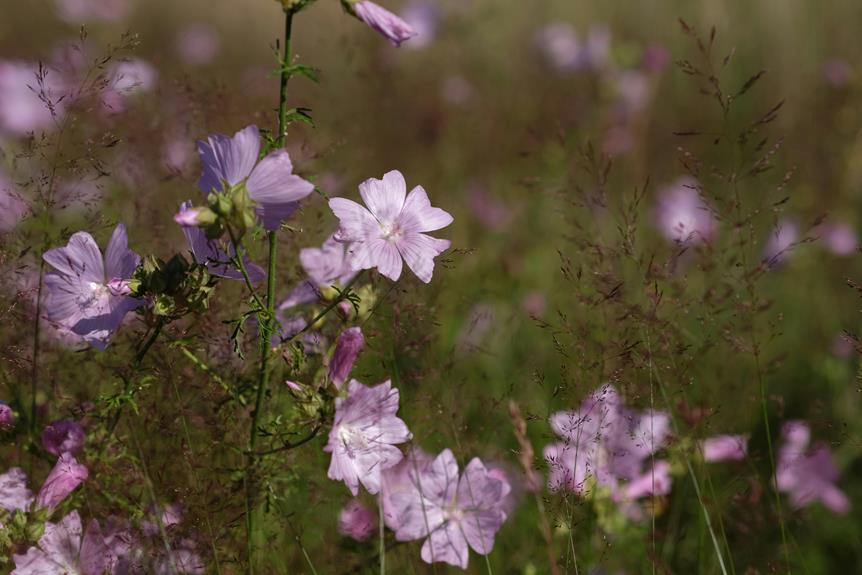
As you prep your garden for the shift to fall, August is a critical month to wrap up summer tasks. Deadhead and prune flowers to encourage new blooms and maintain shape. Divide and transplant perennials to allow them to thrive in new locations. Prepare soil for fall crops by adding organic matter, removing weeds, and loosening compacted soil. Support plants with heavy fruit loads, and implement watering and mulching strategies to promote healthy growth. Clean and store garden tools, and start preserving summer's bounty. By tackling these tasks, you'll set yourself up for a successful autumn harvest – and discover even more ways to make the most of the season ahead.
Key Takeaways
- Deadhead and prune flowers to encourage new blooms, maintain shape, and promote healthy growth before the transition to fall.
- Divide and transplant perennials during their dormant period to allow them to thrive in new locations and adapt to surroundings.
- Prepare soil for fall crops by adding organic matter, removing weeds, and loosening compacted soil to create a healthy environment.
- Support plants with heavy fruit loads by providing stakes or trellises to promote healthy growth and prevent disease.
- Monitor for pests and diseases, and take action at the first sign of trouble to prevent their spread and ensure a successful harvest.
Deadheading and Pruning Flowers
As you walk through your garden this month, take a closer look at your blooming flowers and tackle deadheading and pruning to encourage more vibrant blooms and maintain their shape.
Deadheading involves removing spent flowers, which will encourage your plants to produce more blooms.
Pruning, on the other hand, helps maintain the shape and size of your plants, promoting healthy growth.
When deadheading, make sure to remove the entire flower stem to prevent seed production. This will redirect the plant's energy towards producing new blooms.
For flower arrangements, choose seasonal blooms that are at their peak, like sunflowers, zinnias, and cosmos. These flowers will add a pop of color and vibrancy to your arrangements.
Dividing and Transplanting Perennials
Dividing and Transplanting Perennials
As you prepare your garden for the changing seasons, consider dividing and transplanting your perennials to allow them to thrive in their new locations. This process not only gives them a fresh start, but also helps them adapt to their new surroundings. By doing so, you'll be able to enjoy a longer blooming period and more vibrant colors.
When dividing perennials, make sure to do it during their dormant period, usually in the fall or early spring. Dig up the entire plant, gently separating the roots. Replant the separated sections in well-draining soil, watering them thoroughly. Transplanting perennials can be done at any time, but it's best to do it in the morning or evening when the sun isn't too intense.
Some perennials that benefit from division and transplanting include Daylilies and Hostas. These plants can become overcrowded and will benefit from being separated and replanted in a new location. By dividing and transplanting your perennials, you'll be able to enjoy a healthier and more thriving garden.
Preparing Soil for Fall Crops
August Garden Tips: Preparing for the Shift to Fall
As summer begins to come to a close, it's time to prepare your garden for the shift to fall. This month's article provides valuable tips and advice on how to prepare your soil, care for your plants, and maintain a healthy and thriving garden.
Preparing Soil for Fall Crops
Preparing soil for fall crops is essential for a successful harvest. Add organic matter, remove weeds, and loosen compacted soil to create a healthy environment for your plants to grow.
Deadheading and Pruning Flowers
Deadheading and pruning flowers will encourage healthy growth and prevent pests and diseases from spreading. Dividing and Transplanting Perennials
Divide and replant healthy sections of perennials to promote healthy growth and prevent overcrowding.
Supporting Plants for Heavy Fruits
Providing stakes or trellises for heavy fruit loads will promote healthy growth and prevent disease. Watering and Mulching Strategies
Mulch around plants, water deeply to prevent moisture loss and promote healthy growth.
Managing Pests and Diseases
Monitor for pests, treat fungal diseases, and maintain a healthy and thriving garden. Cleaning and Storing Garden Tools
Clean and disinfect tools will promote a healthy and thriving garden.
Preserving Summer's Bounty
Preserve summer produce by freezing and storing it properly. Planning for Next Year's Garden
Record weather patterns, note progress, and plan for a successful harvest.
Protecting Plants from Frost
Protect sensitive plants from frostbite and maintain a healthy and thriving garden.
Supporting Plants for Heavy Fruits
August Garden Tips: Preparing for the Transition to Fall
In preparation for the transition to fall, it's essential to get your garden ready for the new season. Supporting plants for heavy fruit loads is crucial to ensure a bountiful harvest.
To start, prepare your soil: add organic matter, remove weeds, and loosen compacted soil to create a healthy environment for your plants to grow.
Deadheading and pruning flowers can encourage healthy growth and prevent pests and diseases from spreading.
Divide and transplant perennials to promote healthy growth and prevent overcrowding.
Provide stakes or trellises for heavy fruit loads can promote healthy growth and prevent disease.
Mulching around plants can prevent moisture loss and promote healthy growth.
Monitor for pests, treat fungal diseases, and maintain a healthy and thriving garden to ensure a bountiful harvest.
Clean and disinfect tools can promote a healthy and thriving garden.
Preserve summer's bounty by freezing and storing it properly to ensure a successful harvest.
Plan for next year's garden: record weather patterns, note progress, and plan for a successful harvest.
Protect sensitive plants from frostbite and maintain a healthy and thriving garden.
Watering and Mulching Strategies
As summer's heat intensifies, you'll want to prioritize efficient watering and mulching strategies to keep your plants hydrated and thriving.
Drought tolerance and soil temperature are key considerations in this stage of the growing season.
Managing Pests and Diseases
Managing pests and diseases is a crucial aspect of garden care during the summer months. As you tend to your garden, keep an eye out for signs of trouble, such as holes in leaves, discoloration, or actual pests lurking about. To prevent infestations, consider companion planting, where you strategically place certain plants alongside others to repel pests. For example, basil and mint can help keep aphids away from nearby veggies.
Biological controls are another effective way to manage pests. Introduce beneficial insects, such as ladybugs or lacewings, to prey on unwanted critters. These natural predators will help balance your garden's ecosystem. Additionally, make sure to dispose of any infested or diseased plants to prevent the problem from spreading. Regularly inspect your plants, and take action at the first sign of trouble. By staying proactive, you'll reduce the risk of pest and disease issues ruining your garden's progress.
Cleaning and Storing Garden Tools
Cleaning and storing garden tools is an essential task for maintaining a healthy and thriving garden.
As you wrap up your summer gardening tasks, take some time to give your tools some TLC. After all, you'll be relying on them again come spring.
Start by cleaning off any dirt, debris, or residue from your tools. Use soap and water to scrub away any tough grime, and dry them thoroughly to prevent rust.
Once clean, store your tools in a dry, protected area, like a shed or garage. Consider organizing them by category or frequency of use to make them easy to find when you need them.
By taking care of your tools now, you'll be ready to tackle those fall tasks, like deadheading and pruning flowers, dividing and transplanting perennials, and preparing soil for fall crops.
Plus, you'll be one step ahead when it comes to supporting plants for heavy fruits, implementing watering and mulching strategies, and protecting plants from frost.
Preserving Summer's Bounty
As summer's warmth begins to fade, crucial steps must be taken to preserve the bounty you've worked so hard to grow.
Harvest and store fruits and vegetables to enjoy throughout the fall and winter. Consider freezing or canning summer produce to savor the flavors year-round. Don't forget to deadhead and prune flowers to encourage new blooms and divide and transplant perennials to give them a strong start.
Prepare your soil for fall crops by adding compost or manure, and support plants with heavy fruit loads by providing trellises or stakes.
Regular watering and mulching will help prevent water loss, while monitoring for pests and diseases will prevent their spread. By taking these steps, you'll be able to enjoy the fruits of your labor for months to come.
Remember to clean and store your garden tools to prevent rust, so they'll be ready for next year's gardening tasks.
Planning for Next Year's Garden
As you reflect on this year's garden, take note of what worked and what didn't. Review your Garden Journal and jot down successes, failures, and observations. Which vegetables and flowers performed well, and which ones struggled? What pests or diseases did you encounter, and how did you manage them?
Consider implementing Crop Rotation to avoid depleting the soil of specific nutrients and reducing the risk of pests and diseases building up. Think about rotating your vegetables to different beds, and incorporating cover crops to replenish the soil. You might also want to try new companion planting techniques to enhance growth and reduce competition.
Research new varieties of plants you want to try next year, and make a rough plan for your garden layout. Save seeds from your favorite plants, and begin planning infrastructure changes, such as building new raised beds or installing irrigation systems.
Protecting Plants From Frost
August Garden Tips: Preparing for the Shift to Fall
While planning for next year's garden, don't forget to prepare your current plants for the impending frost, which can suddenly damage or destroy your hard work.
Protecting plants from frost requires some preparation and forethought.
Two effective ways to protect plants from frost are by using frost blankets and cold frames.
Frequently Asked Questions
Can I Still Plant Warm-Season Crops in August?
You can still plant warm-season crops in August if you choose varieties that mature quickly and your soil temperature is still warm, typically above 60°F (15°C), allowing for sufficient growth before the first frost.
How Do I Keep Butterflies From Devouring My Flowers?
"Savvy gardeners, shield your stunning stems! Butterflies are drawn to sweet, sticky nectar, so select flowers with bitter or bland blooms, like lavender or marigolds, to minimize munching; also, understand butterfly behavior to outsmart these hungry visitors."
Will My Garden Benefit From Adding Compost Tea?
You're wondering if compost tea will benefit your garden? Yes, it will! By brewing compost, you'll create a liquid rich in soil microbes and beneficial bacteria, which will boost your soil's health, leading to stronger, more resilient plants.
Are There Any Natural Ways to Repel Garden Snakes?
As you wander through your lush green oasis, you're not alone – snakes lurk in hidden havens. You can repel them naturally by removing their favorite habitats, like rock piles and tall grass, and deterring them with strong-smelling herbs like lavender and mint.
Can I Reuse Potting Soil From Last Year's Containers?
You're wondering if you can reuse potting soil from last year's containers. Before reusing, you should test the soil to verify its pH and nutrient levels are still suitable for your plants, and check its structure hasn't broken down.
Conclusion
You've made it through August, the month of endless heat and endless gardening tasks! Pat yourself on the back, take a deep breath, and don't even think about collapsing onto the nearest cushion just yet.
You've still got to prep for fall, and let's be real, the plants aren't going to take care of themselves. So, go ahead and give those perennials a haircut, prep the soil for the next batch of crops, and for goodness' sake, water those poor parched plants beforehand!